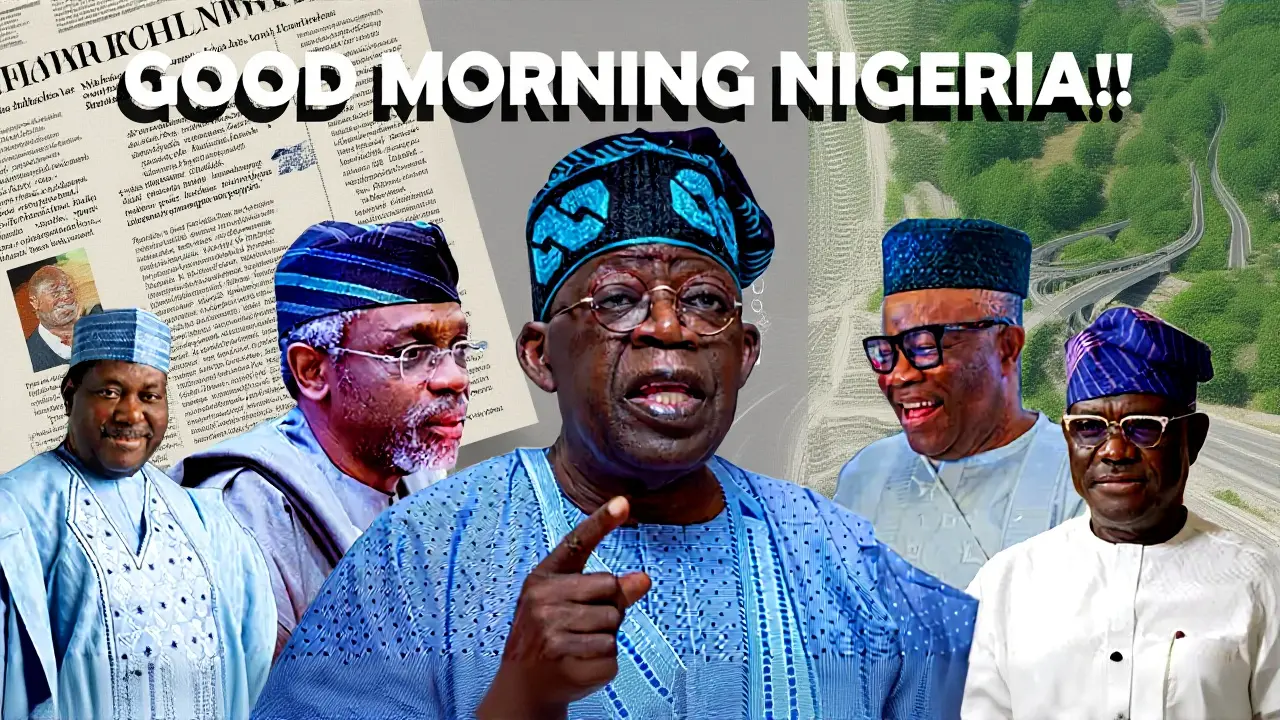
When you scroll through the digital front pages of Daily Post Nigeria, Vanguard News, and other major outlets in mid-April 2026, a chaotic picture emerges. It’s not just noise; it’s a snapshot of a nation grappling with security crises, political realignments, and economic pressures all at once.
The headlines from Saturday, 18 April 2026, paint a vivid story. Teachers in Lagos are protesting abductions. Politicians are defecting parties. And food prices are climbing again. But here’s the thing: while these stories dominated the cycle, finding a single, consolidated "top stories" digest for that specific date is surprisingly difficult. The digital landscape is fragmented, with each outlet pushing its own narrative without a unified archive.
A Fragmented Digital Newsroom
Turns out, trying to pin down exactly what broke on 18 April 2026 requires digging through multiple sources. There isn’t one central hub. Instead, we have a scattered ecosystem. The Nation Newspaper, THISDAYLIVE, and Premium Times all reported on critical issues, but their archives don’t always sync up neatly.
This fragmentation matters. For researchers or citizens trying to understand the full scope of events on a specific day, it creates gaps. You might see a headline about insecurity in one place and the economic impact in another, but rarely both in the same breath. It forces readers to become investigators, piecing together the truth from disparate sources.
Security Crises and Public Outcry
The most urgent stories revolved around safety. In Oyo State, the abduction of teachers sparked widespread outrage. Channels Television reported on peaceful protests by civil society groups in Ibadan, the state capital. These weren’t just isolated incidents; they reflected a growing frustration with the security situation in schools across the region.
Meanwhile, in Imo State, violence took a deadly turn. Reports indicated gunmen invaded a community, killing two security operatives and three civilians. The brutality of these attacks underscored the persistent threat posed by armed gangs in southeastern Nigeria. It’s a grim reminder that despite increased police presence, many communities remain vulnerable.
In Lagos, the situation was equally tense. Teachers staged protests demanding the release of abducted colleagues and students. The Lagos State Police Command faced scrutiny as they denied claims of a "bandit invasion" while simultaneously arresting 15 suspects. The disconnect between official statements and public perception highlighted a trust deficit that law enforcement agencies continue to struggle with.
Political Shuffles and Election Prep
Politics, as always, was in flux. One of the biggest shocks came from the legislative arm of government. Rumors swirled about Speaker Chinda’s defection to the All Progressives Congress (APC) and his resignation as Minority Leader. While details were initially unclear, the move signaled significant shifts in parliamentary dynamics.
In Delta State, Governor Seyi Makinde held closed-door meetings with leaders of the Nigerian Union of Teachers (NUT) and the National Association of Nigerian Students (NANS). These discussions likely touched on the ongoing education crisis and labor unrest. Meanwhile, political heavyweights like Oborevwori were already rallying support for the 2027 general elections, positioning themselves ahead of schedule.
The ageless legacy of Fatai Rolling Dollar also made headlines, a poignant moment of reflection amidst the political turmoil. His passing reminded Nigerians of the cultural icons who have shaped the nation’s identity over decades.
Economic Pressures Mount
For the average Nigerian, the cost of living remained a primary concern. The National Bureau of Statistics released data showing food prices increasing in April 2026. This wasn’t just a statistic; it meant empty plates for millions. The inflationary pressure was exacerbated by policy decisions, including the suspension of a 15% import duty on premium motor spirit. While intended to ease fuel costs, the long-term economic implications were still being debated by experts.
The African Development Bank (AfDB) weighed in, advising Nigeria to invest borrowed funds in productive assets rather than consumption. It’s sound advice, but implementing it in a country facing immediate survival challenges is no small feat. The gap between macroeconomic theory and ground reality remains wide.
Looking Ahead: What’s Next?
As we move past April 2026, several key developments will define the next quarter. The outcome of the teachers’ protests could set a precedent for labor relations nationwide. Political defections may reshape the balance of power in the National Assembly. And security operations in Imo and Oyo states will be closely watched for signs of improvement or further deterioration.
The 2026 FIFA U-17 World Cup preparations are also gaining momentum, offering a rare bright spot in an otherwise challenging period. With Nigeria’s Flamingos set for crucial matches, sports diplomacy might provide a unifying force for the nation.
Frequently Asked Questions
Why is there no single "Top Stories" list for 18 April 2026?
Nigerian news outlets operate independently with separate digital platforms. Unlike centralized news agencies, publications like Daily Post, Vanguard, and Premium Times maintain distinct archives. This decentralization means there is no unified "top stories" digest for any given day, requiring readers to cross-reference multiple sources to get a complete picture of national events.
What was the main cause of the teachers' protests in Lagos?
The protests were primarily driven by the abduction of teachers and learners in various parts of Lagos and neighboring regions. Educators demanded immediate action from security agencies and the state government to ensure their safety and the safe return of those kidnapped. The unrest highlighted the severe impact of insecurity on the education sector.
How did the National Bureau of Statistics describe food price trends in April 2026?
The NBS reported a notable increase in food prices during April 2026. This rise contributed to broader inflationary pressures affecting household budgets. The data suggested that staple foods became more expensive, exacerbating the cost-of-living crisis for many Nigerians, particularly those in low-income brackets.
What security incident occurred in Imo State around this time?
Gunmen invaded a community in Imo State, resulting in the deaths of two security operatives and three civilians. This attack underscored the persistent threat of armed banditry in southeastern Nigeria. It prompted calls for intensified security measures and better coordination between local police and federal agencies.
Who are the key political figures mentioned in the April 2026 headlines?
Key figures included Speaker Chinda, who reportedly defected to the APC; Seyi Makinde, involved in meetings with union leaders; and Oborevwori, who began campaigning for the 2027 elections. Their actions reflect the dynamic and often unpredictable nature of Nigerian politics, where alliances shift rapidly ahead of electoral cycles.