When you hear Christmas caroling, the act of singing traditional holiday songs in groups, often door-to-door or in public spaces during the Christmas season. Also known as wassailing, it’s more than just music—it’s a shared moment of joy, connection, and cultural expression. In many African countries, caroling isn’t just borrowed from Europe—it’s been remade. Local languages, rhythms, and instruments blend with classic tunes like "Silent Night" and "We Wish You a Merry Christmas," turning them into something deeply personal and uniquely African.
What makes Christmas caroling, a communal practice rooted in celebration, faith, and storytelling so powerful here is how it ties into everyday life. In rural villages, children walk from home to home with handmade instruments—bottles filled with pebbles, drums carved from wood, or just clapping hands. In cities like Lagos, Nairobi, or Cape Town, church choirs flood the streets on Christmas Eve, their voices echoing past markets and taxi ranks. It’s not about perfection. It’s about presence. Neighbors who rarely speak during the year sing together. Strangers stop to listen. Even the poorest households often offer a cup of tea or a piece of cake in return. This isn’t just singing. It’s a quiet act of belonging.
Holiday music, the collection of songs and melodies tied to seasonal celebrations, especially around Christmas in Africa often carries deeper meaning. Songs might praise the birth of Christ, but they also thank ancestors, ask for rain, or celebrate harvests. In Ghana, you’ll hear carols sung in Twi with kpanlogo drum patterns. In South Africa, Zulu harmonies turn "O Come All Ye Faithful" into something hauntingly beautiful. These aren’t just performances—they’re prayers with rhythm. And when you listen closely, you hear how community singing, the collective act of vocalizing together to strengthen social bonds becomes a lifeline in places where resources are scarce but spirit runs high.
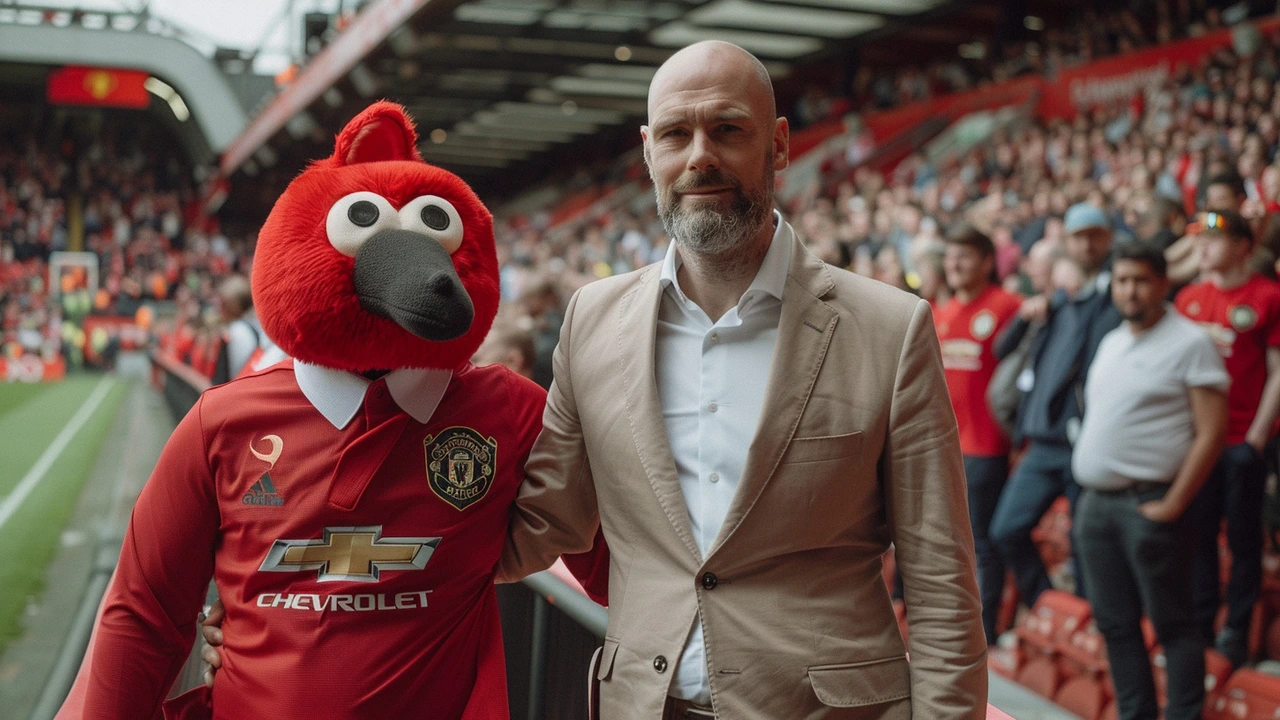
There’s no grand stage here. No ticket sales. No ads. Just people, voices, and the cold night air. That’s what makes it real. And that’s why you’ll find stories of caroling woven into the news here—not because it’s flashy, but because it matters. Below, you’ll see how this simple tradition shows up in unexpected places: in football stadiums after matches, in refugee camps, in schools where kids learn their first songs in English, Swahili, or Yoruba. These aren’t just articles. They’re snapshots of humanity, sung out loud.

Pro-life activists in Fairbanks, Alaska, will sing Christmas carols outside Planned Parenthood on December 10, 2025, to offer hope to women considering abortion — a quiet, faith-based protest amid Arctic winter nights.
View More