
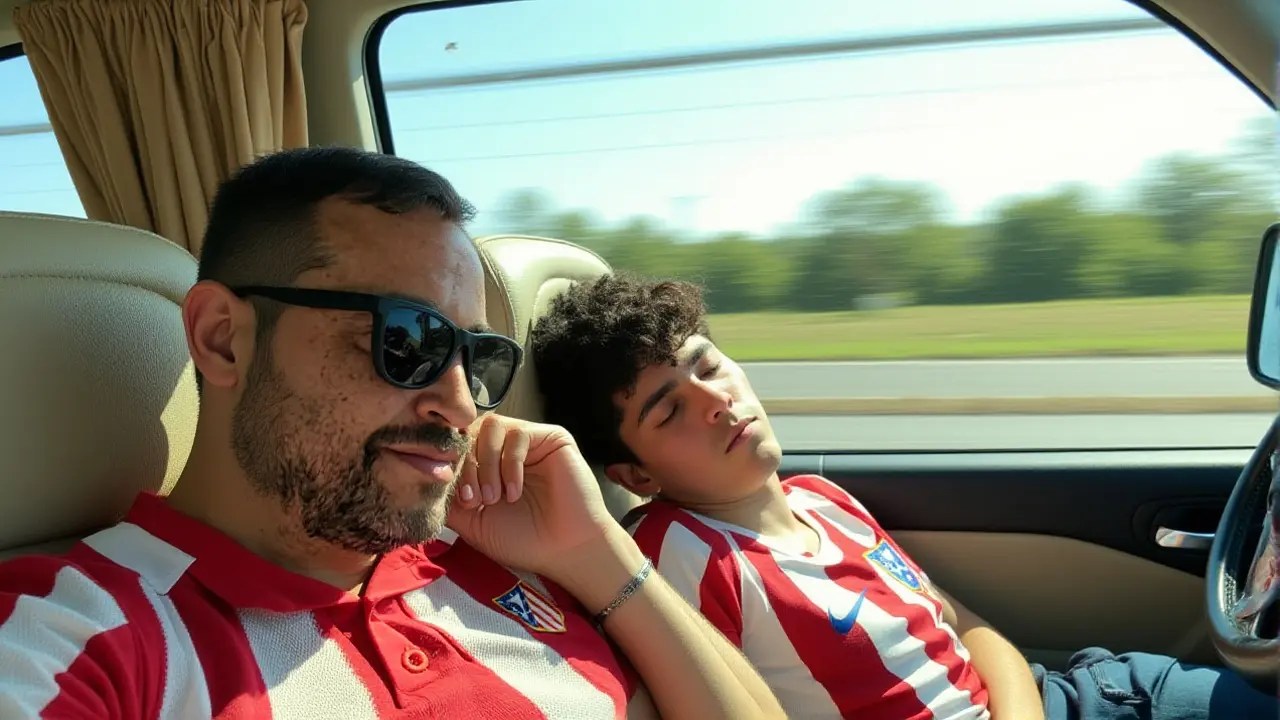
It started as a simple dream in a living room thousands of miles away, but for one pair of football fanatics, it became a mission. A father and son have officially hit the road, embarking on a cross-continental trek to Sevilla to witness the grandeur of the Copa del Rey FinalSevilla. This isn't just about a 90-minute match; it's a rite of passage fueled by a shared obsession with the beautiful game and a desire to build a bond that transcends the digital divide of modern parenting.
Here's the thing: trips like these aren't just about the destination. While the trophy presentation is the goal, the journey is where the real story lives. They've navigated flight delays, language barriers, and the sheer chaos of European football fandom. It's the kind of raw, unfiltered experience that turns a vacation into a lifelong memory. Turns out, nothing bonds a father and son quite like the stress of finding a hotel in a city packed with 40,000 visiting supporters.
The Road to the Estádio Olímpico
The journey began weeks of planning, involving a meticulous study of the Royal Spanish Football Federation (RFEF) ticketing process. The duo spent hours scouring forums and coordinating with other traveling fans to ensure they wouldn't be left standing outside the gates of the Estádio Olímpico de la Cartuja. With tickets finally secured, the logistics shifted from digital to physical.
Their itinerary took them through the heart of Andalusia, where the heat of the Spanish sun is only matched by the passion of the locals. They spent days exploring the narrow streets of the city, soaking in the atmosphere of a town that breathes football. Oddly enough, the most memorable moments haven't been the landmarks, but the small wins—like finding a local tapas bar where the owner insisted they'd see a historic victory.
The emotional weight of the trip is palpable. In an era where most interactions happen via a screen, this trek represents a deliberate move toward "analog" bonding. For the son, it's an introduction to the global scale of the sport; for the father, it's a chance to share the same excitement he felt as a boy decades ago. It's a cycle of passion repeating itself in real-time.
A Clash of Titans in Andalusia
The Copa del Rey is more than just a tournament; it's a grudge match of historical proportions. As the teams prepare to clash, the city of Sevilla has become a melting pot of different colors and chants. The tension is thick, and the anticipation is driving local commerce to a fever pitch. Hotels are at 98% capacity, and the local transport system is straining under the weight of the influx.
Football analysts suggest that the final this year carries extra weight due to the shifting power dynamics in Spanish football. With the rise of tactical versatility, the match in Sevilla isn't just a test of skill, but a test of mental endurance. For the traveling father and son, the tactical nuances are secondary to the spectacle. They aren't looking for a masterclass in 4-3-3 formations; they're looking for the roar of the crowd that vibrates in your chest.
But wait, there's a flip side. The intensity of the Copa final often brings out the most volatile elements of the game. Local police have increased patrols across the city to prevent clashes between rival ultras. Despite the security presence, the atmosphere remains largely celebratory, reflecting the festive spirit that usually accompanies a major final in Spain.
The Ripple Effect of Sporting Pilgrimages
This specific journey mirrors a growing trend of "sporting pilgrimages." Across the globe, families are increasingly investing in high-cost, high-effort trips to attend marquee events. Whether it's the World Cup in Qatar or a final in Spain, the goal is the same: the creation of a shared identity through a shared experience.
Sociologists note that these trips provide a unique platform for communication. Away from the distractions of home, parents and children often find themselves discussing things they wouldn't normally touch upon. In the case of this father and son, the conversations have drifted from starting lineups to life goals, all while walking the banks of the Guadalquivir river. It's the "side-by-side" nature of travel that opens these emotional doors.
What Happens After the Final Whistle?
As the match approaches, the duo is preparing for the inevitable: the post-game comedown. No matter who wins, the journey ends with a flight back home. However, the internal shift is permanent. The son returns with a broadened worldview and a deeper connection to his father; the father returns with the satisfaction of knowing he gave his child a world-class experience.
The details of their final celebration are still unclear, but the plan involves a traditional Spanish feast to mark the occasion. Whether they are celebrating a victory or mourning a defeat, the success of the trip was decided long before the kickoff. The win was in the traveling, the getting lost, and the shared laughter over a misunderstood menu.
Frequently Asked Questions
Why is the Copa del Rey final in Sevilla so significant?
The Copa del Rey is one of the oldest football competitions in the world. Holding the final in Sevilla, a city with deep footballing roots, adds a layer of prestige and passion. It's a massive economic driver for the region, bringing in tens of thousands of tourists and generating millions in local revenue through hospitality and transport.
How difficult is it to secure tickets for this event?
Extremely difficult. Tickets are usually distributed via a lottery system managed by the RFEF. Due to the high demand from both finalists' fanbases, many supporters rely on official club memberships or high-priced secondary markets, making the process a stressful ordeal for casual fans.
What are the typical challenges of a sporting trip to Spain?
The primary challenges include the language barrier in smaller establishments, navigating crowded public transit during peak events, and the volatility of ticket availability. Additionally, the heat in Andalusia can be taxing for those not accustomed to the Mediterranean climate, requiring careful planning and hydration.
Does this trip reflect a larger trend in family travel?
Yes, there is a rising trend of "experience-based' travel where families prioritize unique, once-in-a-lifetime events over traditional beach holidays. These trips are designed to foster emotional bonding through shared adversity and excitement, particularly in the context of sports and culture.



Ashish Gupta
April 22, 2026 AT 07:43Absolute legend of a dad! 🤩 This is what football is all about, way beyond the tactics and the scores. Just pure passion! ⚽🔥
Arumugam kumarasamy
April 22, 2026 AT 13:24One must acknowledge that the RFEF ticketing system is an absolute shambles, though it is typical for such bureaucratic entities to operate with such inefficiency. The romanticization of 'getting lost' is quaint, but for those of us who actually understand the logistics of European travel, it is simply a failure of planning. One does not simply 'stumble' upon a tapas bar and call it a spiritual experience; it is a basic tourist cliché. Furthermore, the mention of 4-3-3 formations as 'secondary' is an insult to the intellectual rigor of the sport. Football is a chess match played with feet, and dismissing the tactical evolution of the game in favor of 'the roar of the crowd' is a pedestrian take at best.
Anirban Das
April 23, 2026 AT 02:44Too much sentiment. 🙄
Rashi Jain
April 23, 2026 AT 16:08I find the sociological angle regarding 'analog bonding' particularly fascinating because in our current digital ecosystem, we are seeing a massive decline in shared physical spaces for fathers and sons to interact without the mediation of a screen, and while the cost of these sporting pilgrimages can be prohibitive for many, the long-term emotional ROI seems to far outweigh the initial financial expenditure. It is also worth noting that the atmosphere in Andalusia during a final is unlike anywhere else in the world due to the specific cultural intersection of regional pride and global sporting excellence, which probably contributed significantly to the duo's bonding experience as they navigated the linguistic hurdles of the city. I've read similar accounts of fans traveling to the World Cup where the shared adversity of logistics-like the hotel chaos mentioned here-actually serves as the primary catalyst for the deep conversations that the author describes happening by the river.
Raman Deep
April 25, 2026 AT 11:46This is so wholesome!! 🥹 Hope they had a blast in Spain and the kid loved every second of it 🇪🇸✨
Suraj Narayan
April 26, 2026 AT 11:01Forget the stress, this is how you make memories! If you aren't struggling with a hotel in a packed city, are you even traveling? Go big or go home!
Suman Rida
April 27, 2026 AT 22:54It's a great way to teach a child about resilience and culture. Just stepping out of the comfort zone is the biggest win here.
Pranav nair
April 28, 2026 AT 08:03Real memories are always made in the chaos :)
Dr. Sanjay Kumar
April 30, 2026 AT 06:13The sheer drama of trying to find a room when 40k people descend on one city is basically a horror movie. I can only imagine the panic! Absolute madness.
Mayank Rehani
May 1, 2026 AT 05:48The logistical overhead for these trips is insane. Between the RFEF's opaque allocation and the volatility of the secondary market, it's a high-risk play for any fan.
Anamika Goyal
May 3, 2026 AT 01:28I wonder if they'll do this again for another final. It seems like such a beautiful tradition to start.
Prathamesh Shrikhande
May 3, 2026 AT 03:40Love this so much! 💖 Family and football is the perfect combo.
Robin Godden
May 5, 2026 AT 02:06It is truly commendable that a father would invest such effort to provide his son with a global perspective on the sport.
sachin sharma
May 5, 2026 AT 19:10Just chill and enjoy the game. Who cares about the hotel stress when you're at the stadium?