
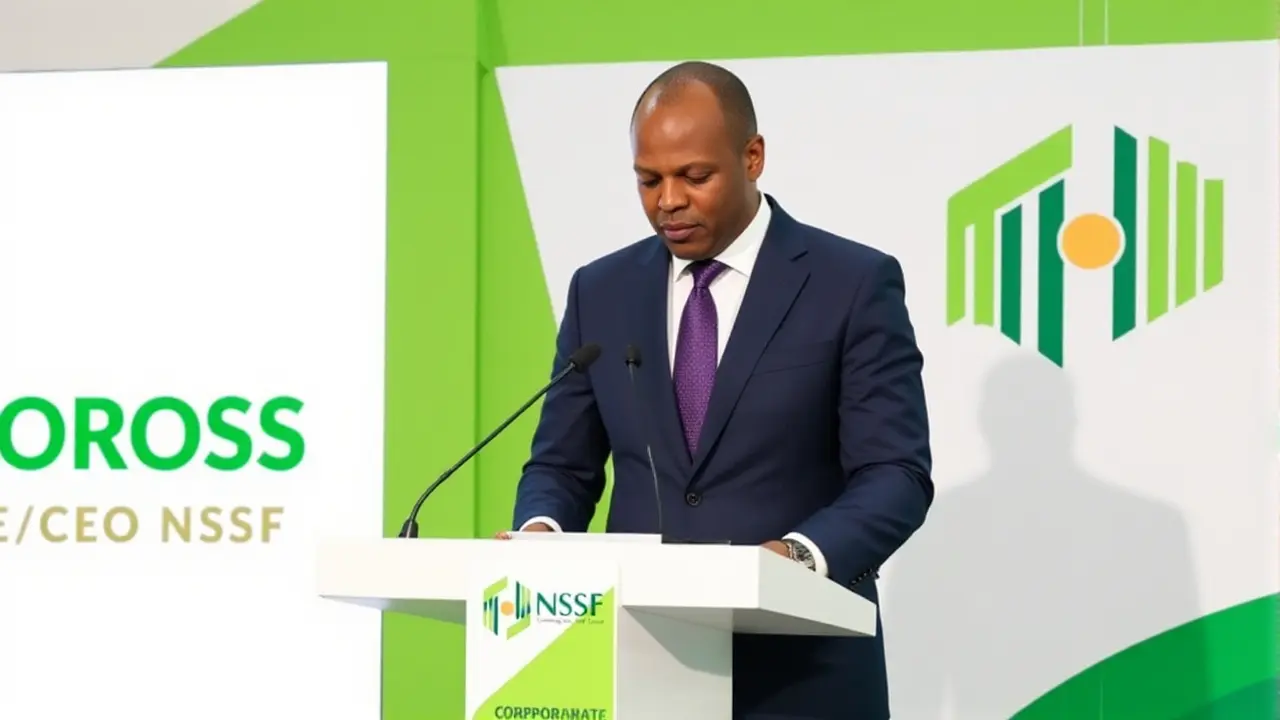
The Kenya Treasury has officially handed the keys to one of the country's most critical infrastructure projects over to a Chinese consortium. On October 9, 2025, the Public-Private Partnership Committee approved a deal worth Sh180 billion to upgrade the congested Nairobi-Nakuru highway. But this isn't the first attempt, nor was the path to signing entirely straight.
The selected team, a partnership between China Road and Bridge Corporation and the National Social Security Fund, will oversee construction under a 30-year concession. Here's the thing: while the original plan covered a massive 233-kilometre stretch, bureaucratic hurdles from Beijing forced a pivot. The project had to be split into two separate sections to satisfy international investment rules.
The Great Infrastructure Pivot
Initially, the vision was a seamless corridor linking Kiambu, Nyandarua, and Nakuru counties. It covered 175 kilometres of the A8 corridor and another 58 kilometres along the A8 South road. Both roads feed heavily into western trade routes. However, negotiations stalled when the scope proved too large for a single bid under current regulations.
Beijing enforces a strict $1 billion investment cap on state-owned enterprises. This rule requires lengthy internal reviews before any major capital moves overseas. Consequently, the PPP Committee approved a restructuring on November 10, 2025. Now, CRBC and NSSF will handle the 139-kilometre segment from Nairobi through Maai Mahiu to Naivasha. The competing bidder, Shandong Hi-Speed Road and Bridge International, will tackle the remaining 94 kilometres up to Mau Summit. It's a classic case of regulatory reality checking ambitious planning.
Tolling Plans and Motorist Costs
For commuters, the big question always comes down to price. Under the new structure, motorists should expect to pay Sh8 per kilometre once the dual-carriageway upgrades are complete. That's a significant relief compared to previous proposals.
John Mbadi, Treasury Cabinet Secretary, noted that the road would significantly improve mobility between Nairobi and western Kenya. The tariff is lower than the Sh10 per kilometre proposed by the rival SDRBI bid. The six toll stations established along the route will fund maintenance and operations, keeping the debt burden off public coffers. The financing structure relies on 75% debt from Chinese lenders, including the Export-Import Bank of China, and 25% equity.
Speaking of equity, the local stake is crucial. The NSSF is contributing approximately 45% of the equity portion for Phase One. This involvement brings Kenyan pension funds directly into the infrastructure sector, though it raises questions about risk management for retirees.

A Familiar Corridor, New Challenges
This isn't the first time the government has tried to fix this bottleneck. Back in 2020, a French consortium led by Vinci signed a deal for roughly Sh190 billion. That agreement dragged on until early 2025 when officials cancelled it.
Government sources argued that toll rates tied to the French contract placed an unreasonable burden on the average commuter. The termination triggered compensation payments to the French firm and reopened the tender for competitors like CRBC. Since December 1984, CRBC has built two ports and numerous roads in Kenya, including the Standard Gauge Railway. They aren't strangers to the landscape here.
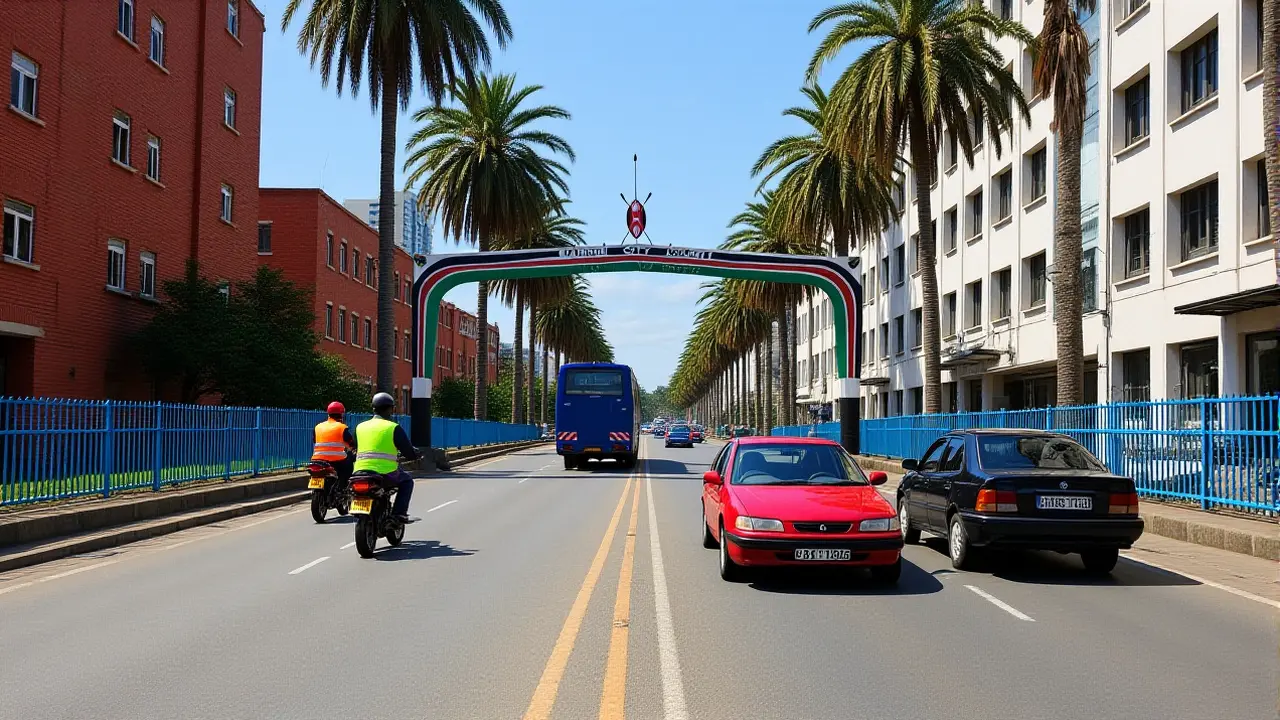
The physical improvements are substantial. The Nairobi-Naivasha section gets upgraded to a dual four-lane carriageway. Further west, the Naivasha-Nakuru West stretch expands to a dual six-lane highway designed for heavy truck traffic. A full viaduct will cut through Nakuru town itself to maintain smooth flow past urban bottlenecks.
Timeline and Political Oversight
Momentum is building fast. Following a high-level meeting between President William Ruto and Zhang Bingman of CCCC on Monday, November 18, 2025, the split decision became public. A groundbreaking ceremony is scheduled for Thursday, November 28, 2025.
The Groundbreaking CeremonyNairobi will likely see top officials cutting red tape to mark the start. With completion projected by June 2027 for the CRBC-NSSF section, drivers hoping for faster trips won't wait much longer.
Frequently Asked Questions
Why was the project split into two sections?
The original 233-kilometre scope exceeded Beijing's $1 billion investment cap for state-owned enterprises. To comply with these outbound-investment rules, the PPP Committee restructured the deal on November 10, 2025, assigning different segments to CRBC-NSSF and Shandong Hi-Speed respectively.
How much will drivers pay for tolls?
Motorists are expected to pay Sh8 per kilometre for the CRBC-NSSF constructed sections. This rate is lower than the previously proposed Sh10 per kilometre by the other bidder, aiming to balance affordability with investor returns over the 30-year concession.
What is the NSSF's role in this deal?
The National Social Security Fund provides a significant portion of the project equity, contributing roughly 45% of the Phase One financing. This ensures local ownership participation alongside the foreign contractor.
When will the road be finished?
Construction is scheduled to begin after the November 28 groundbreaking ceremony. The CRBC-NSSF portion covering 175 kilometres is projected for completion by June 2027, offering relief on the western economic corridor.




Anthony Watkins
March 26, 2026 AT 07:31lol another loan sharking deal from the east :D we cant pay back these debts man it sucks having our roads sold like this
Bryan Kam
March 28, 2026 AT 01:45Typical third world development narrative right here.
Cheri Gray
March 28, 2026 AT 14:17its goood for infra but i hope the toll dont get too high lol kenya needs the road upgrade badly tho
Govind Vishwakarma
March 29, 2026 AT 15:55the chinese model is efficient yes but the long term cost is hidden deep within those contracts everyone should read the fine print before celebrating
Jamal Baksh
March 29, 2026 AT 21:20I sincerely believe that infrastructure development is the cornerstone of economic stability for any developing nation in our current geopolitical landscape.
Shankar Kathir
March 30, 2026 AT 07:56Infrastructure projects often stall due to political cycles. We have seen this pattern repeat itself over decades here. The funding model uses pension money which carries significant risk. Yet the alternative is continued congestion costs. Traffic losses amount to billions annually in fuel and time. A toll might seem expensive initially compared to free roads. However, the maintenance fund ensures longevity of the asset. Many previous projects failed because of poor maintenance planning. This structure forces dedicated revenue collection for repairs. The involvement of NSSF also keeps capital within the domestic economy. Retirees might worry about their funds being locked away. But historical returns on infrastructure bonds have been steady. Diversification of the portfolio is generally recommended by financial advisors. Public transport access needs to improve alongside highway construction. Otherwise, the benefit goes primarily to private vehicle owners.
Bhoopendra Dandotiya
March 31, 2026 AT 19:13The chromatic spectrum of economic policy paints a grim picture yet the concrete reality remains neutral ground.
Firoz Shaikh
April 2, 2026 AT 13:12Public-private partnerships require meticulous structuring to ensure mutual benefit. The split concession addresses regulatory caps effectively. Financial modeling suggests a sustainable debt service ratio. Local equity participation mitigates currency fluctuation risks. Operational efficiency should increase with dual carriageway specifications. Maintenance clauses are critical for long-term viability. The thirty-year horizon allows for steady amortization schedules. Toll pricing at eight shillings aligns with market expectations. Stakeholder engagement was likely exhaustive prior to approval. International lenders impose strict environmental compliance standards. Local communities expect direct employment opportunities during construction. Project monitoring mechanisms must remain transparent throughout execution. Government oversight committees play a pivotal role in enforcement. Risk allocation matrices define liability boundaries clearly. Sovereign guarantees provide necessary backing for external financing. Ultimately, successful implementation hinges on political continuity.
Uma ML
April 2, 2026 AT 20:24You clearly lack insight into the nuances of sovereign debt instruments because this isnt rocket science folks.
Saileswar Mahakud
April 3, 2026 AT 18:32commuters really need this relief from the current chaos its been terrible for years
Rakesh Pandey
April 4, 2026 AT 21:12looks good hopefully they finish on time without issues
aneet dhoka
April 6, 2026 AT 14:24nssf money is being used to prop up foreign entities while the local population suffers silently its a classic extractive mechanism disguised as progress
mohit saxena
April 8, 2026 AT 01:52great news for the westend drivers finally some movement on these stalled projects
UMESH joshi
April 9, 2026 AT 14:34progress without sustainability is merely destruction postponed for the next generation consider the long term impact carefully
pradeep raj
April 11, 2026 AT 06:10Regarding the capital expenditure allocation and the fiscal multiplier effect, we must analyze the liquidity ratios. The project finance structure relies heavily on off-balance-sheet vehicles. Debt covenants attached to Export-Import Bank funding are notoriously rigid. Operational leverage will significantly impact the annual profit margin projections. Equity valuation of the pension fund stake requires actuarial precision. Macroeconomic indicators suggest volatility in the shilling exchange rate. Hedging strategies must be robust to protect against currency depreciation events. Revenue streams depend on traffic volume assumptions which are often overly optimistic. Economic internal rates of return differ from financial internal rates of return. Sensitivity analysis shows vulnerability to fuel price shocks across the region. Social cost-benefit analysis rarely captures informal sector displacement accurately. Governance frameworks need strengthening to prevent corruption leakage. Audit trails must be maintained for every kilometer of paved surface area. Regulatory compliance costs add substantial overhead to base estimates. Environmental impact assessments were conducted prior to groundbreaking ceremonies. Stakeholder management protocols ensure community grievances are addressed systematically.
Vishala Vemulapadu
April 13, 2026 AT 05:23As per standard PPP frameworks the risk transfer here seems adequate for investor security metrics.
Jason Davis
April 14, 2026 AT 10:17i think its important to remember how many jobs this creates plus the tech transfer aspects are crucial for growth